Speaking & Consulting

Resources
 Buy the Book
Consider how you manage your personal investments - you wouldn’t put all your money into a single asset, right? The same principle applies to nonprofit funding. By balancing risk and diversifying revenue sources, we can create more resilient and sustainable organizations.
Nonprofits are facing new challenges in funding their missions – many are still recovering from COVID impacts, an unpredictable economy, and now the retracting of grants and funds already included in annual budget cycles. Traditional fundraising models—annual galas, grant cycles, and donor drives—have been reliable for years, but the landscape has shifted. Depending only on these methods will not be enough moving forward. This article summarizes my tactics to help nonprofits adapt and thrive in an evolving fundraising environment, managing risk by diversifying.
The Shifting Landscape of Fundraising
The fundraising environment is undergoing significant changes, driven by a mix of economic, social, and technological factors – and the recent retraction of federal funds.
Economic fluctuations, such as recessions or inflation, affect donors' ability and willingness to give, leading to unpredictability in funding streams. At the same time, donor behavior is evolving; modern donors, especially younger generations, seek more transparency, impact-driven giving, and prefer engaging with causes that align with their personal values.
Some of these shifts are advantageous. The incorporation of AI tools into donor prospecting and management is creating much-needed efficiencies. Other technological advancements are transforming how nonprofits connect with supporters. Digital platforms, social media, and data analytics offer new ways to engage donors but also require organizations to adapt quickly to keep up with changing trends.
The Importance of Diversifying Revenue Streams: Blending Traditional and Innovative Approaches
Diversification is essential for nonprofits to build resilience, reduce dependency on single funding sources, and ensure long-term sustainability: nonprofits can create a balanced, dynamic approach that stabilizes finances and expands their impact.
Time-tested methods like major gift campaigns, annual appeals, and grant writing remain foundational to nonprofit funding. However, integrating these with modern techniques can significantly enhance donor engagement and broaden revenue streams. Earned income models, such as fee-for-service programs or product sales, not only generate sustainable income but also deliver valuable services aligned with the organization’s mission. Similarly, social enterprise ventures combine business principles with social goals, creating self-sustaining revenue while advancing the nonprofit’s objectives.
In addition to earned income, pursuing corporate partnerships offers another vital avenue for financial support and collaborative impact. These partnerships can provide funding, in-kind contributions, and access to broader networks and resources. Peer-to-peer fundraising, which leverages personal networks and technology, can improve the reach of campaigns and engage new donor groups.
Building a Culture of Philanthropy
Creating a culture of philanthropy within an organization means making fundraising a shared responsibility rather than a separate function. When board members, staff, and volunteers all view themselves as ambassadors for the organization’s mission, fundraising becomes a collective effort.
Board members should leverage their networks for major gifts, while staff should identify funding opportunities through their programmatic work. Encouraging everyone to share success stories and impact metrics helps build a unified message that resonates with donors. Providing fundraising training and resources empowers teams to confidently engage in fundraising activities, fostering a proactive and collaborative environment.
Leveraging Technology and Data
Technology and data analytics have become powerful tools in modern fundraising. Customer Relationship Management (CRM) systems help nonprofits track donor interactions, preferences, and giving patterns, enabling personalized engagement strategies, and now many offer AI integration that provide data-driven insights to identify trends, optimize campaigns, and improve donor retention.
Digital platforms, including social media and crowdfunding sites, expand the organization’s reach and make it easier to connect with younger, tech-savvy donors. Virtual events and online giving portals provide convenient, accessible ways for supporters to contribute. By harnessing technology, nonprofits can enhance their efficiency, broaden their audience, and build stronger donor relationships.
Success Stories
Many nonprofits have successfully adapted their fundraising models to meet the challenges of a changing landscape. Success stories highlight the importance of creativity, flexibility, and a willingness to experiment with new approaches. By learning from these examples, other nonprofits can find inspiration and practical strategies for their own fundraising efforts.
Looking ahead, resilience and adaptability will help nonprofits navigate change. By exploring new models and approaches, organizations can continue to grow and make an impact. Embracing diversification, technology, and a culture of philanthropy will position nonprofits for long-term success in an evolving fundraising environment.
Here are some questions to consider:
How is your organization approaching fundraising in today’s evolving landscape? Share your successes, challenges, and lessons learned in diversifying revenue streams. Your insights could inspire and guide others in the nonprofit community striving for sustainability and impact.
Join 12,000+ readers receiving weekly insights on leadership, confidence, communication, and personal growth.


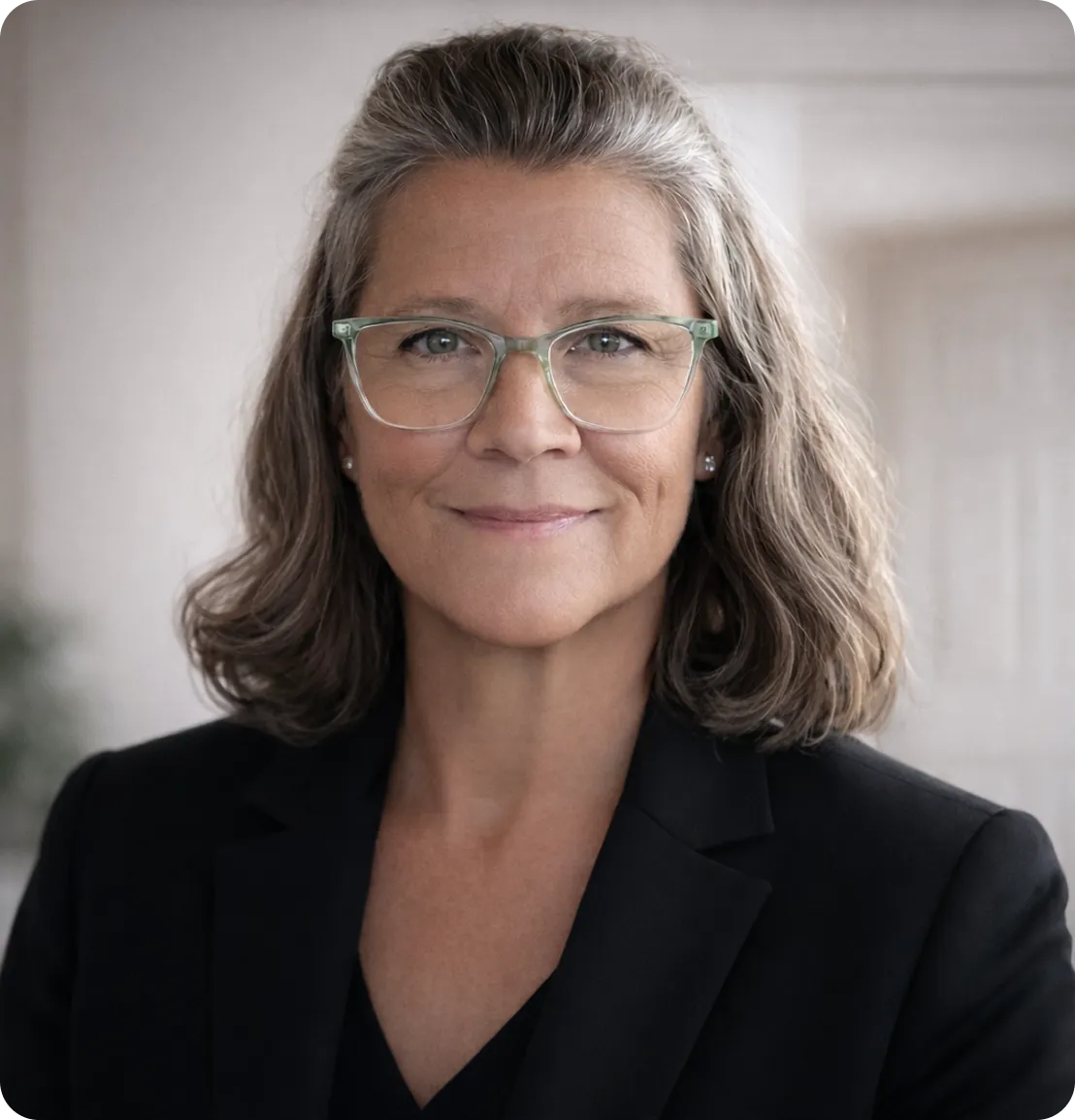
Dr. Tina Yerkes is a leadership consultant, keynote speaker, and author with 25+ years leading mission-driven organizations. A PhD scientist with executive training from Harvard and Kellogg, she has scaled nonprofits, secured seven-figure funding, and advised leaders across environmental conservation, public health, and social impact. Her work focuses on what it takes for women and mission-driven leaders to thrive — and on building the systems that hold them up.
Read Full StoryDrop your email and we'll send Chapter 1 plus the reading guide.
© 2026 TinaYerkes. All Rights Reserved.