Speaking & Consulting

Resources
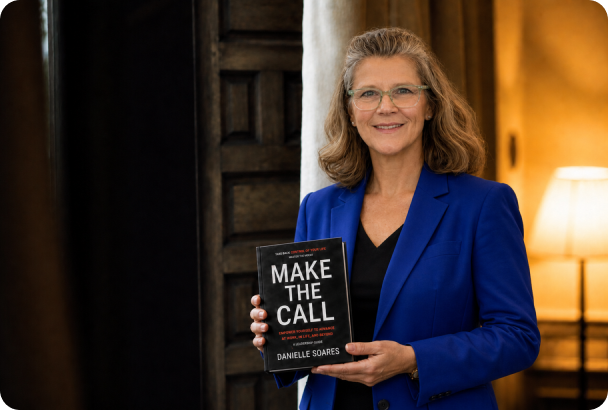
 Buy the Book
I am increasingly convinced that “be more confident” is one of the most expensive pieces of advice given to women.
Not because confidence does not matter, but because it is used to explain problems that confidence did not create. The workplace weaponizes the idea of executive presence as a way to shift accountability from systems to individuals. It is a term that tells women the problem is how they show up -- not what the system is designed to reward. And what man was ever told to get coaching to improve their executive presence? NONE.
Over the past thirty years, I have sat in hundreds of meetings. Board rooms. Executive teams. Scientific advisory groups. Government committees.
I have been interrupted.
I have watched my ideas gain traction only after someone else repeated them.
I have received feedback on how I delivered a message while male colleagues were evaluated on the results they delivered.
And for years, I did what many women do.
I looked inward -- carried the blame, shame, and humiliation.
I worked harder. I tried, unsuccessfully, to speak differently. I attempted, also unsuccessfully, to adjust my style. I tried to become what the system seemed to reward, but I was not good at playing the man in the room.
These were not my failures. They were the system doing exactly what it was built to do.
The system was never designed for women to win inside it.
That is an uncomfortable statement because systems are harder to change than individuals.
If a woman struggles in an organization, it is easy to send her to training.
I have watched this play out in explicit detail. In my book, I describe a colleague -- deeply competent, sharper than most people in the room -- who began to adapt to the feedback she kept receiving. She spoke less frequently. She deferred more often to colleagues whose judgment was less reliable but whose confidence was higher. She absorbed the cost of being systematically overlooked, attempting to maintain her performance and her composure simultaneously. No one ever told her she was not good enough. They just kept telling her to soften. And she did. That is not a confidence problem. That is a system extracting compliance and calling it development.
It is much harder to ask why the same patterns keep happening to different women over and over again.
At some point we have to stop asking:
“What’s wrong with her?”
And start asking:
“What is this system producing?”
Because systems produce exactly what they are designed to produce.
If women consistently receive less airtime in meetings, that is not a confidence problem.
If women consistently receive less credit for ideas, that is not a confidence problem.
If women consistently leave despite strong performance, that is not a confidence problem.
It is a systems problem.
The most insidious part is this: the coaching, the feedback, the development programs -- they are not failing. They are working exactly as designed. They are teaching women to succeed within a system that was never built for them, rather than building a system that actually works.
And until we start redesigning systems, we will continue teaching women to survive environments that should never have required survival in the first place.
That is not the same as giving women real tools.
There is a difference between coaching that asks women to be less -- quieter, softer, smaller -- and building the skills to read a room, map power, navigate organizational dynamics, and lead with full authority. One is compliance dressed as development. The other is strategy.
Women do not need to be fixed. They need to stop being handed a mop and start being handed a blueprint.
Join 12,000+ readers receiving weekly insights on leadership, confidence, communication, and personal growth.


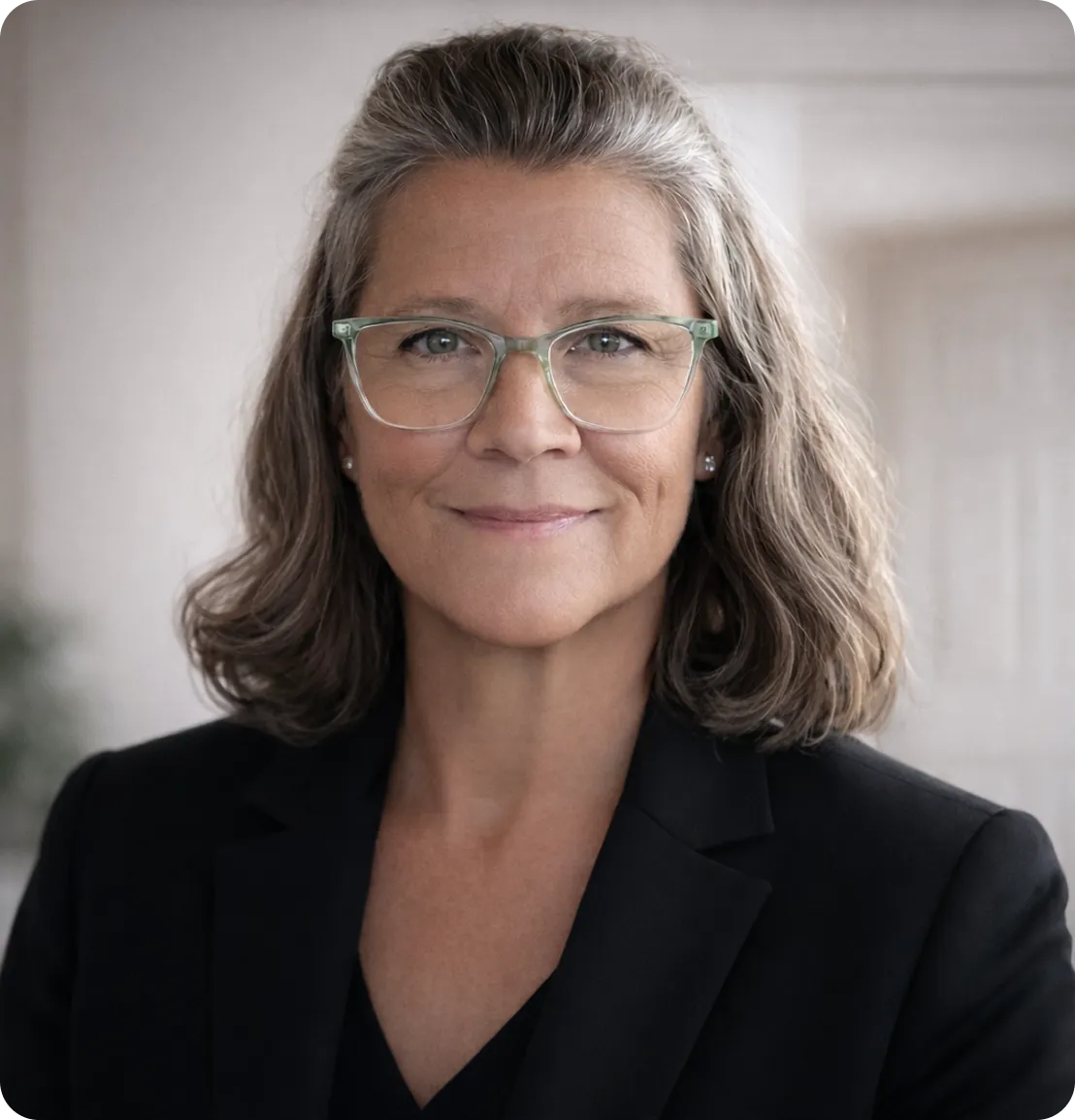
Dr. Tina Yerkes is a leadership consultant, keynote speaker, and author with 25+ years leading mission-driven organizations. A PhD scientist with executive training from Harvard and Kellogg, she has scaled nonprofits, secured seven-figure funding, and advised leaders across environmental conservation, public health, and social impact. Her work focuses on what it takes for women and mission-driven leaders to thrive — and on building the systems that hold them up.
Read Full StoryDrop your email and we'll send Chapter 1 plus the reading guide.
© 2026 TinaYerkes. All Rights Reserved.