Speaking & Consulting

Resources
 Buy the Book
In my career at the intersection of science, strategy, and philanthropy, I have seen firsthand how early-stage scientific ideas and innovation can evolve into transformative solutions - but only if we fund them in time.
The challenge?Many of the most promising ideas are still trapped in the lab, stuck in pilotphases, or lost in translation because the funding ecosystem is not built forcomplexity, risk, or uncertainty.
If we want to address the climate crisis, accelerate health breakthroughs, or rebuild ecosystems at scale, we need more than great ideas. We need a new philanthropic mindset - one that treats funding like R&D or VC and sees donors not as sponsors, but as catalysts.
Why Big Ideas Struggle to Get Funded
Whether it is biomass carbon removal, AI-powered early disease detection, or climate-resilient agriculture, many high-impact solutions face similar barriers:
Traditional philanthropy tends to focus on programs with short-term outcomes and measurable metrics. But what about the bold ideas that could reshape entire systems - if only we gave them the space to grow?
Building Donor Ecosystems Around Complexity
You can build a thriving donor base around complex or emerging work. I have done it - securing catalytic capital for multi-million-dollar conservation research initiatives, designing donor engagement for global water programs, and helping fundersconnect to outcomes that span continents and decades.
Here is what works:
1. Translate the Science into Impact
Donors do not need to be scientists. But they do need to see the why. Your job is to bridge the gap between the data and the difference it makes.
Instead of leading with technical details, lead with possibility:
“This solution could remove 1 billion tons of carbon by 2050.”
“This innovation would cut maternal mortality in half - if we can scale it.”
“This data model could give us a decade’s head start on the next pandemic.”
2. Build Around Shared Vision, Not Just a Project
Many donors want to be part of something bigger than a single experiment or project. They want to belong to a movement, a mission, or a future they believe in.
When I engage donors around complex or technical work, it is never just about the science or tools involved. It is about equity, empowerment, and creating lasting systems change. The key is connecting the work to a broader purpose that resonates deeply and invites people to be part of something transformational.
That kind offraming brings people in - and keeps them there.
3. Invite Donors in as Catalysts
Some of the most powerful donor relationships I have built started not with a pitch, but with a conversation:
Then I showed them how their support could de-risk innovation, build a field, or unlock 10x return on impact. And I backed it up with transparency, humility, and learning - especially when results took time.
What We Need Now
We are living in a moment where science is moving faster than our ability to fund it. We need a bold new playbook - one that embraces uncertainty, funds upstream, and dares to bet on the ideas that might just change everything.
So, if you area funder, consider this your invitation: Be a catalyst.
And if you area leader stewarding complex work, remember: your science and innovation canbe funded - if you can tell the right story.
Let’s fund thefuture. Together.
Join 12,000+ readers receiving weekly insights on leadership, confidence, communication, and personal growth.


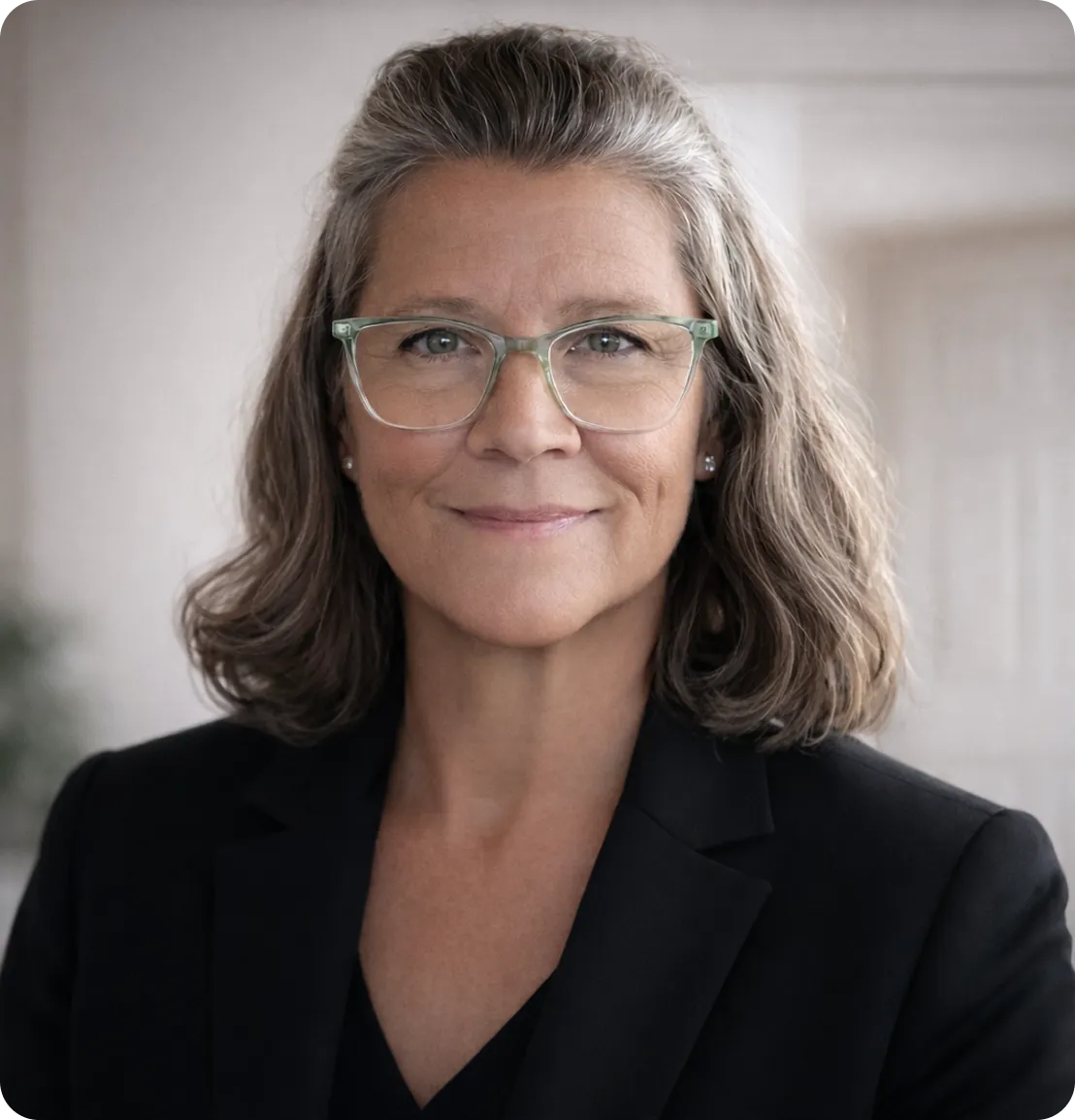
Dr. Tina Yerkes is a leadership consultant, keynote speaker, and author with 25+ years leading mission-driven organizations. A PhD scientist with executive training from Harvard and Kellogg, she has scaled nonprofits, secured seven-figure funding, and advised leaders across environmental conservation, public health, and social impact. Her work focuses on what it takes for women and mission-driven leaders to thrive — and on building the systems that hold them up.
Read Full StoryDrop your email and we'll send Chapter 1 plus the reading guide.
© 2026 TinaYerkes. All Rights Reserved.